
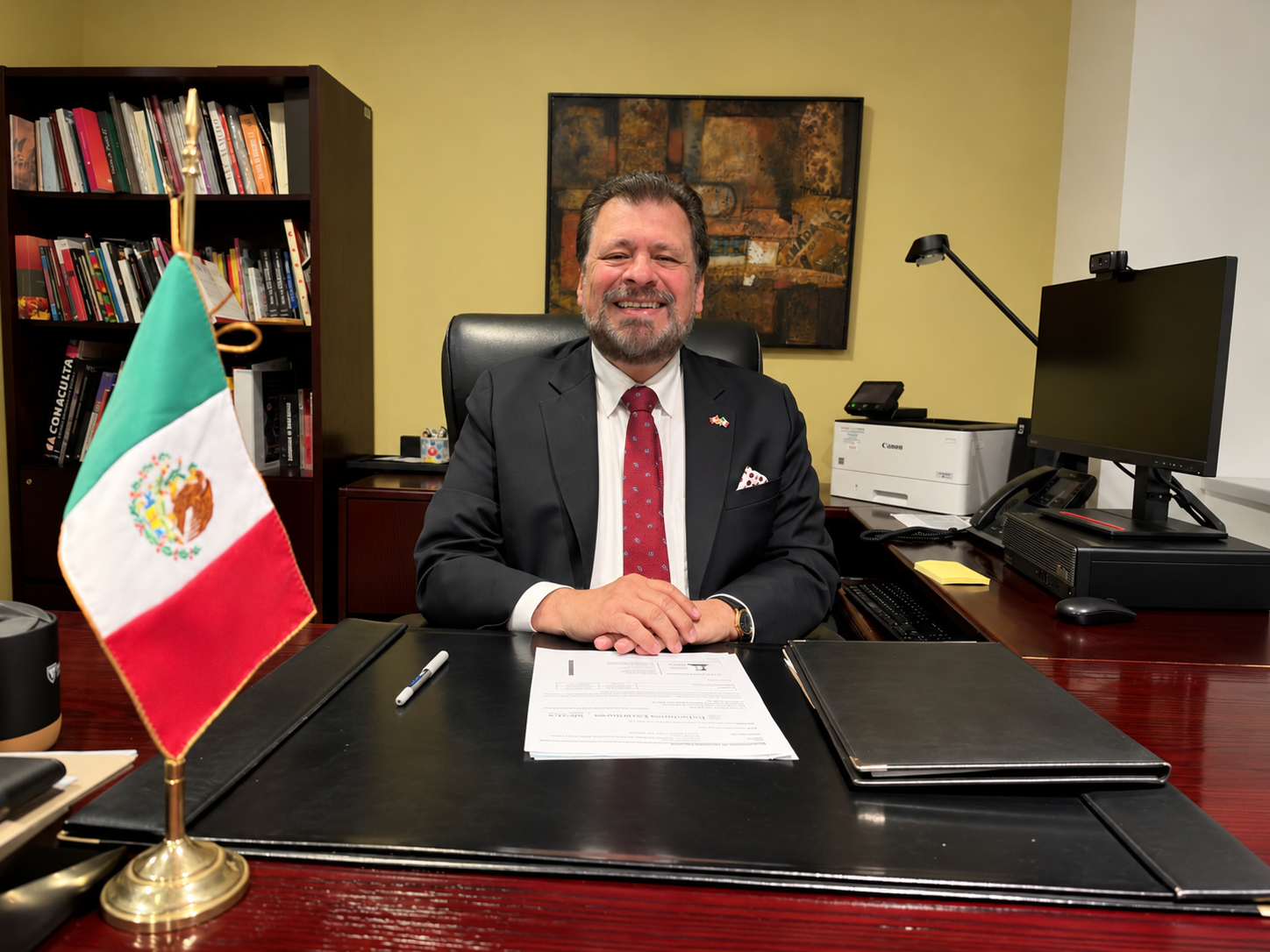
By Levy Barragán
Beyond providing consular services, the Consulate General of Mexico in Montreal maintains a dynamic agenda encompassing cultural projects, educational activities, social support initiatives, programs aimed at strengthening entrepreneurship, and gatherings that foster community engagement. This approach ensures that initiatives do not depend exclusively on the consular agenda, but also resonate with and gain momentum through the active involvement of community members themselves.
This synergy helps strengthen Mexico’s profile and presence within Quebec society. Cultural activities and artistic gatherings serve as spaces for exchange, where Mexican gastronomy, music, traditions and history become shared experiences within Montreal’s international and multicultural environment.
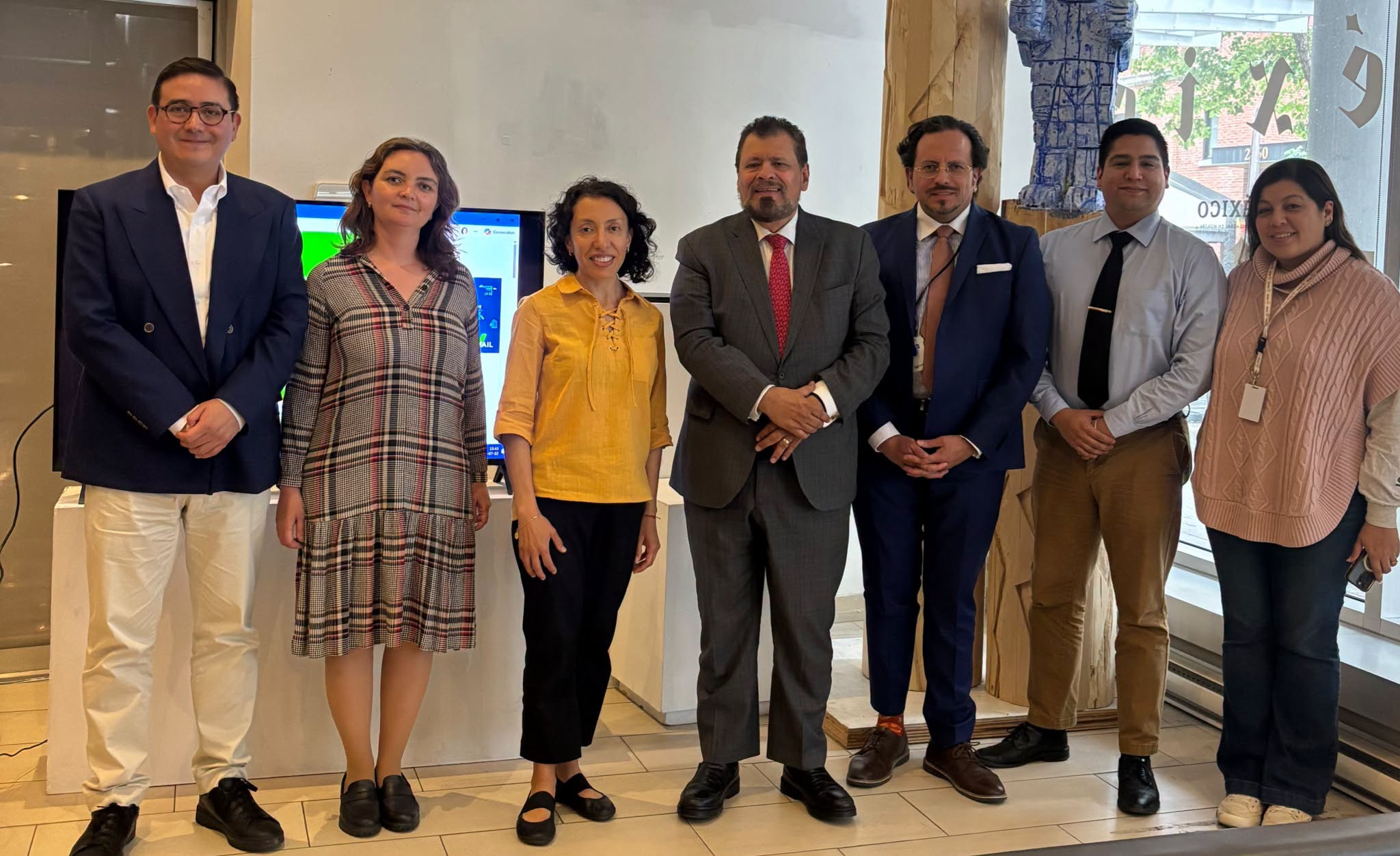
This is precisely the dimension through which the work of the Consulate General of Mexico in Montreal can best be understood: its ability to connect different facets of the immigrant experience, from the preservation of cultural identity to social support and professional development.
In this interview, conducted as part of the celebrations marking Latin American Heritage Month, Consul Víctor Treviño discusses the contributions of the Latin American community to Quebec society.
Do you believe that the Latin American immigrant community living in Montreal has evolved over the years in terms of education, professional training and aspirations?
Without a doubt, the Latin American community in Montreal has undergone a significant transformation, not only in terms of its presence and participation in Quebec society, but also in the diversity of its professional, academic and cultural backgrounds.
Today, our community includes highly qualified professionals, researchers, students, entrepreneurs, artists and skilled workers who contribute to Quebec’s economic, social and cultural development.
Within the Mexican community, we see considerable interest in academic advancement, language learning, entrepreneurship and integration into strategic sectors. More and more people are seeking not only to establish themselves in Montreal, but also to build long-term lives here, pursue further education and create opportunities for future generations. It is also worth emphasizing that the majority of leadership positions within our Mexican community are held by women.
Nevertheless, we must also acknowledge that this evolution has not been uniform. Challenges persist, particularly with regard to the recognition of academic credentials and professional qualifications, language barriers, and access to employment opportunities that reflect immigrants’ skills and level of training.
From our perspective, one of the most valuable aspects of this transformation is that the Latin American community is no longer simply a recipient of opportunities; it has also become a source of knowledge, innovation, employment and cultural initiatives.
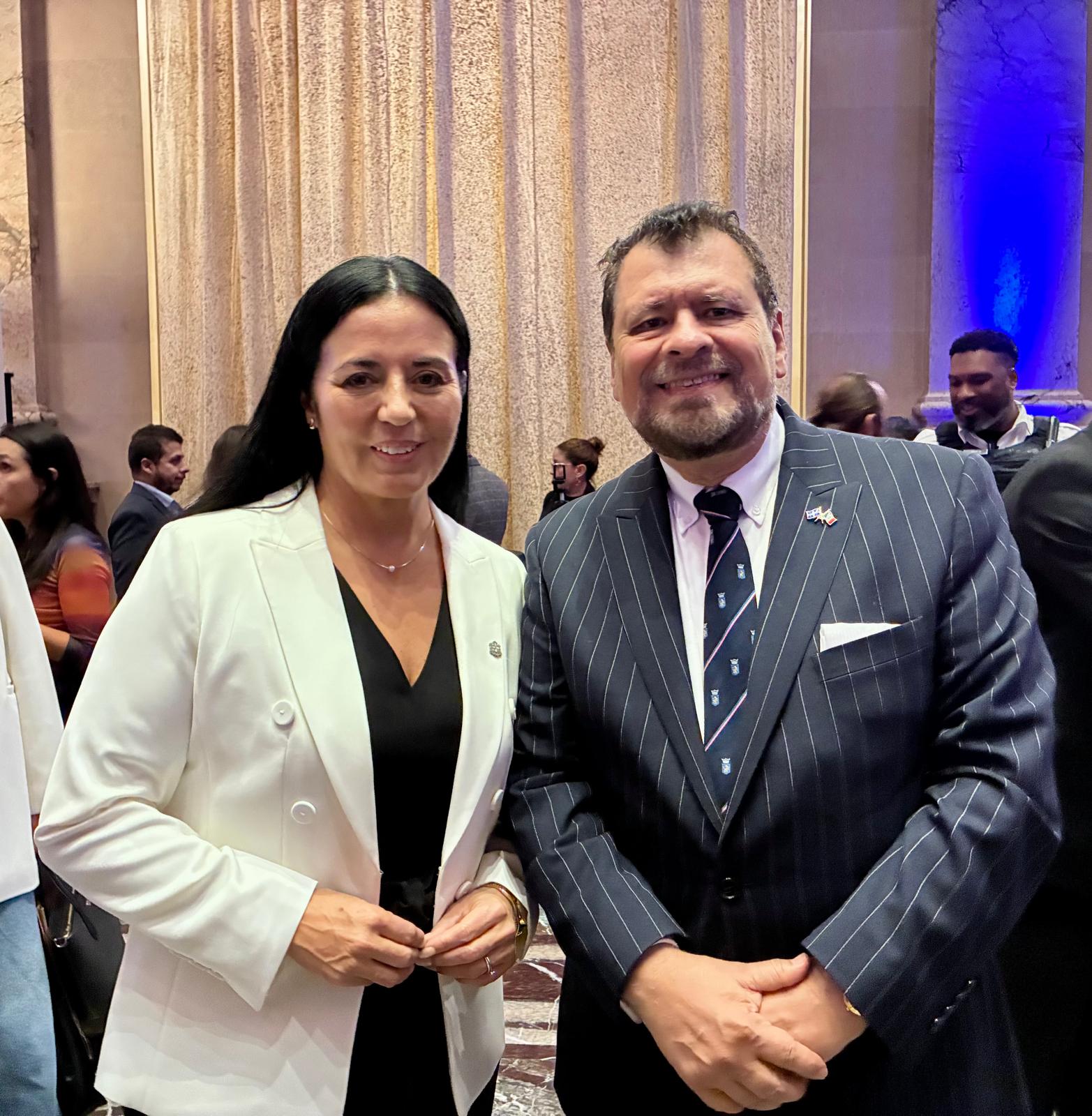
The Mexican and Latin American communities are not merely part of Montreal’s diversity: they are active participants in its development and in shaping its future.
What are the main challenges facing the Latin American immigrant community in Montreal in the fields of gastronomy, culture, the arts and media within Quebec society?
The Latin American community possesses extraordinary cultural wealth, expressed through its gastronomy, artistic expressions, traditions and media. Given its multicultural character and openness to diverse cultural expressions, Montreal offers a favourable environment in which to share this heritage.
One of the main challenges, however, is ensuring that these cultural expressions extend beyond the spaces traditionally occupied by our own communities and achieve a broader and more sustained presence within Quebec society.
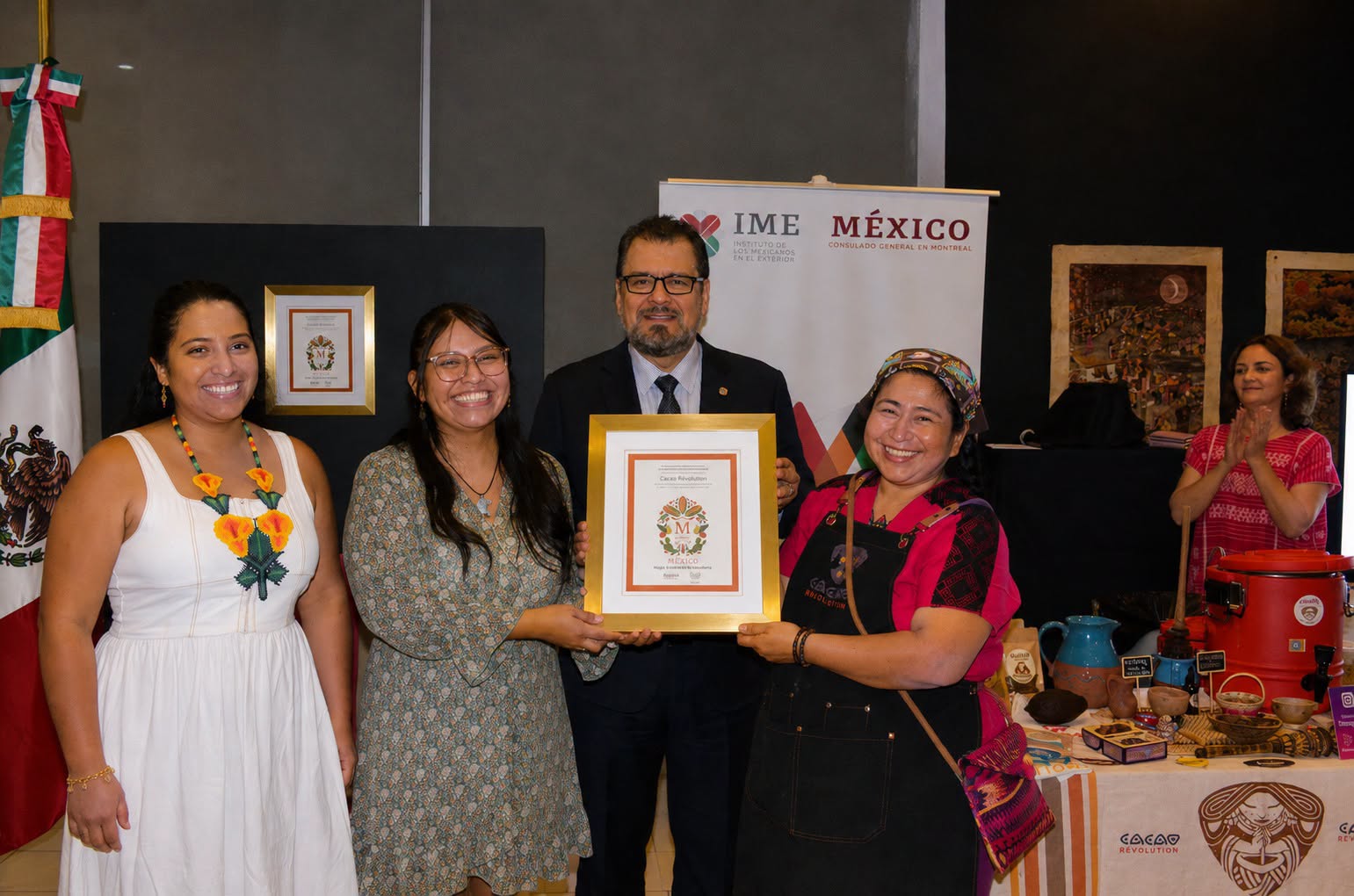
In the culinary sector, for example, we find entrepreneurs who have succeeded in establishing Mexican and Latin American cuisine as part of Montreal’s culinary landscape. Nevertheless, they face challenges involving operating costs, access to financing, product distribution and the consolidation of their businesses.
In the cultural and artistic fields, the challenge lies in expanding opportunities for our creators to exhibit their work, reach new audiences and gain recognition. It is important for Latin American talent to have opportunities to participate in festivals, cultural institutions and collaborative projects with local artists, beyond the traditional celebrations organized by our communities.
The media, for their part, play a fundamental role. In addition to keeping immigrant communities informed and connected, they have an opportunity to build bridges of understanding with Quebec society, challenge stereotypes and bring visibility to success stories, while also highlighting the needs and concerns of our population.
A key factor cutting across all these areas is the French language. Proficiency in French facilitates integration, access to institutional settings, and the development of professional and cultural relationships.
At the Consulate General of Mexico in Montreal, we believe that cultural promotion must go hand in hand with stronger collaborative networks involving entrepreneurs, artists, media professionals, institutions and community organizations.
Our objective should be to move beyond cultural visibility toward an increasingly broad, lasting and recognized role in Quebec society, without losing the identity and roots that enrich our communities.
Where do you see the main areas of convergence between Mexico and Quebec in the fields of economics, development, trade, science and technology?
Mexico and Quebec share a longstanding relationship that has evolved positively toward increasingly diversified cooperation, built on shared economic interests, institutional ties and a common understanding of the importance of education, research and innovation as drivers of development.
This relationship rests on solid foundations. It is worth recalling that Mexico established an Honorary Consulate in Montreal in 1888, while the Quebec Government Office in Mexico began its activities in 1980. Furthermore, the Quebec-Mexico Working Group, established in 1982, constitutes an important mechanism for advancing joint projects in education, culture, research and innovation.
In the economic and commercial spheres, we see opportunities for complementarity in sectors such as aerospace, information technology, life sciences, agribusiness and clean energy.
Mexico represents a significant market for Quebec-based companies, while Quebec offers an environment conducive to research, technological development and innovation, creating opportunities for new partnerships with Mexican institutions and businesses.
Moreover, despite recent challenges, we have the framework established by the Canada-United States-Mexico Agreement (CUSMA), which helps provide greater certainty for commercial exchanges and strengthen economic integration between Mexico and Canada—and Quebec, of course.
A recent example of the dynamism of this relationship was the Mexican trade mission to Canada, held in May 2026. The mission included activities in Montreal and helped advance agreements in sectors such as life sciences, agribusiness, education and creative industries.
In science and technology, we see particularly significant opportunities in artificial intelligence, the energy transition, health technologies, applied research and digital transformation.
These areas are among the cooperation priorities outlined in the Mexico-Canada Action Plan 2025–2028, which seeks to strengthen ties between governments, universities, research centres and businesses.
We also consider academic and scientific mobility to be essential. Exchanges involving students, professors and researchers make it possible to share knowledge, develop joint projects and cultivate talent capable of responding to the challenges facing our societies.
From a consular perspective, we also recognize the role of the Mexican community as a human bridge between our two societies. Our students, scientists, professionals and entrepreneurs help build collaborative networks that can translate into tangible opportunities for both countries.
The potential of the relationship between Mexico and Quebec extends far beyond the exchange of goods and services. It also lies in our ability to share knowledge, foster innovation and build long-term partnerships that generate prosperity and opportunities for our societies.


